

Case Study
How an ACO Optimized Its Post-Acute Care Network and Saved $6 Million
This ACO used analytics to reduce unnecessary utilization and save $6 million over four years.
Population Health Analytics
Turn fragmented clinical, claims, and operational data into trusted insights to improve cost, quality, and performance.s



Population health analytics is the process of aggregating and analyzing clinical, claims, and operational data to identify trends in cost, quality, and utilization across a defined patient population.
For ACOs, that visibility helps teams spot performance gaps, prioritize interventions, and improve outcomes.

Identify variation across providers and service lines to pinpoint outliers.

Address anomalies and low-value care with clear, data-driven insight.
.svg)
Close gaps and support better patient management across your population.

Monitor performance against program goals to protect shared savings.
.svg)
Act on trusted, transparent data—not assumptions.
Population health analytics should do more than report performance. It should help accountable care organizations identify priorities, guide interventions, and measure improvement over time. These core capabilities enable care teams and operational leaders to translate data into action.
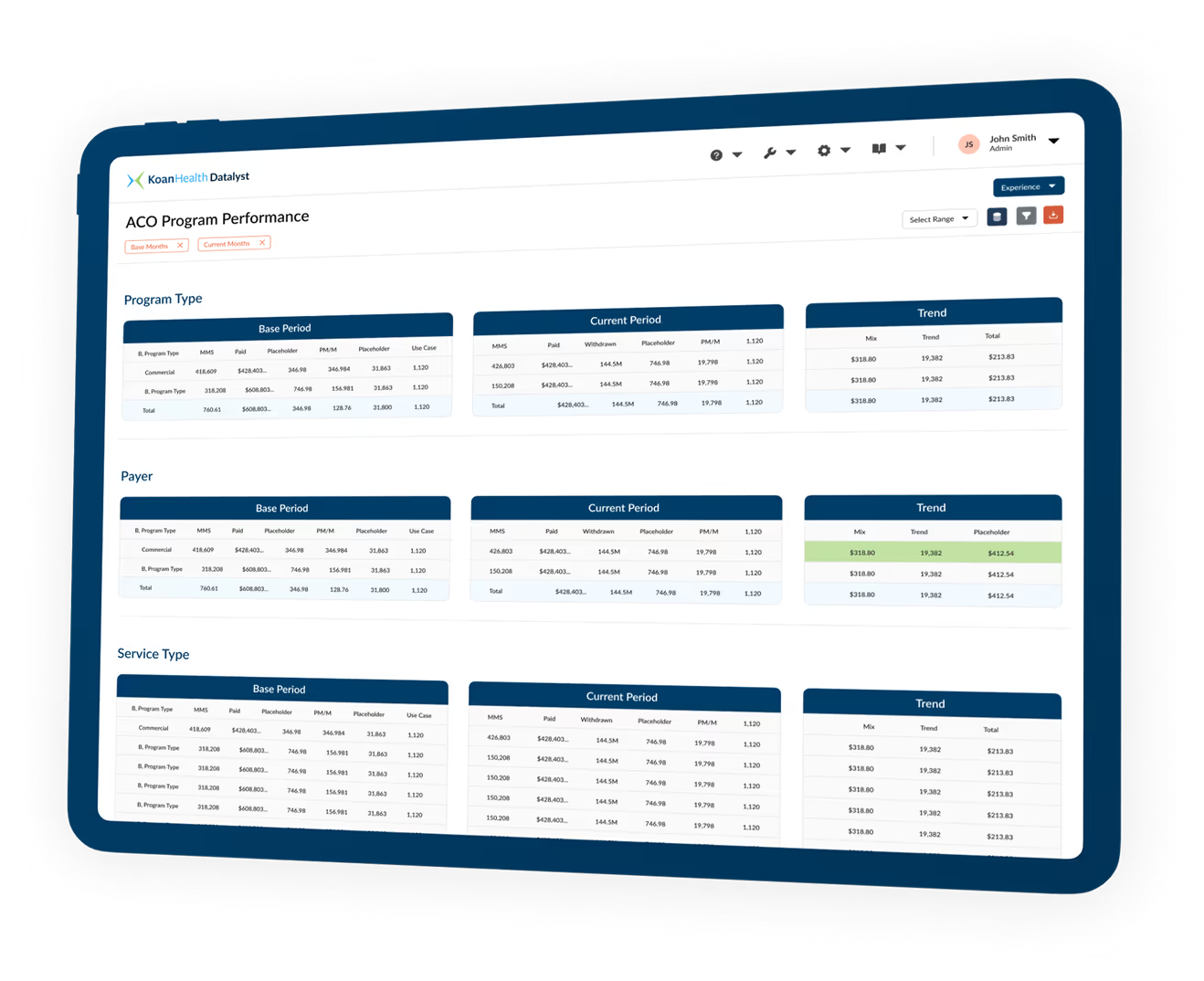
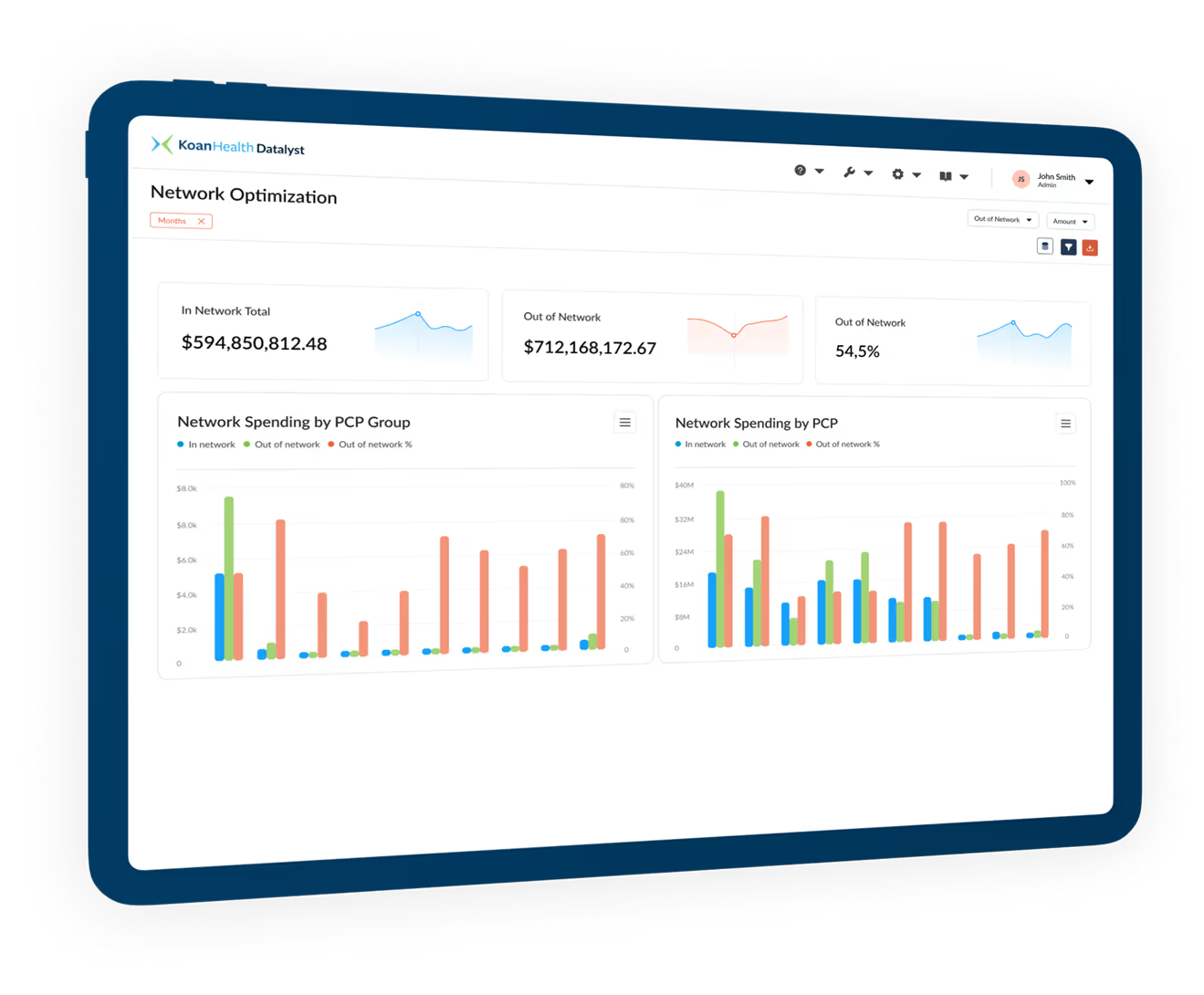
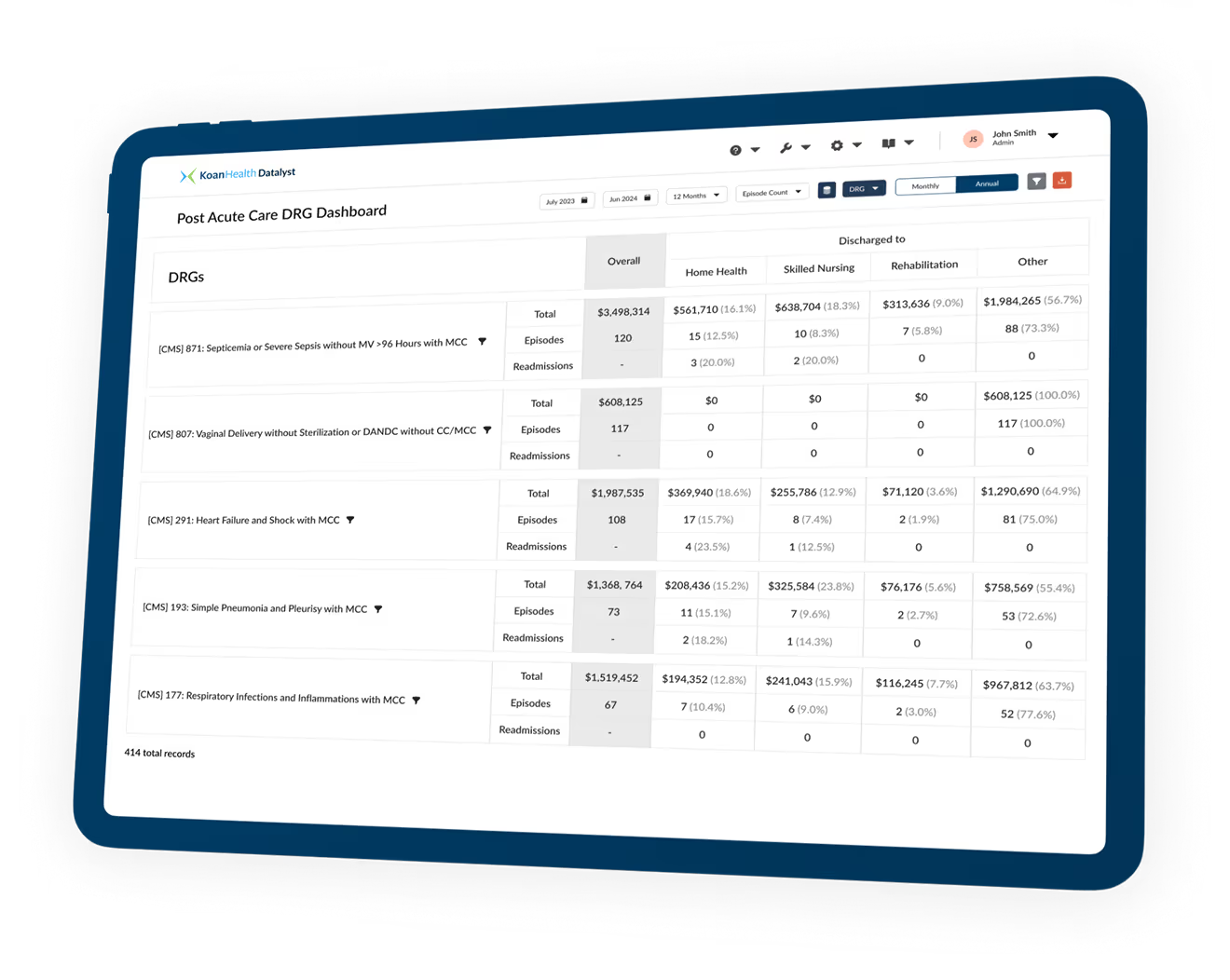
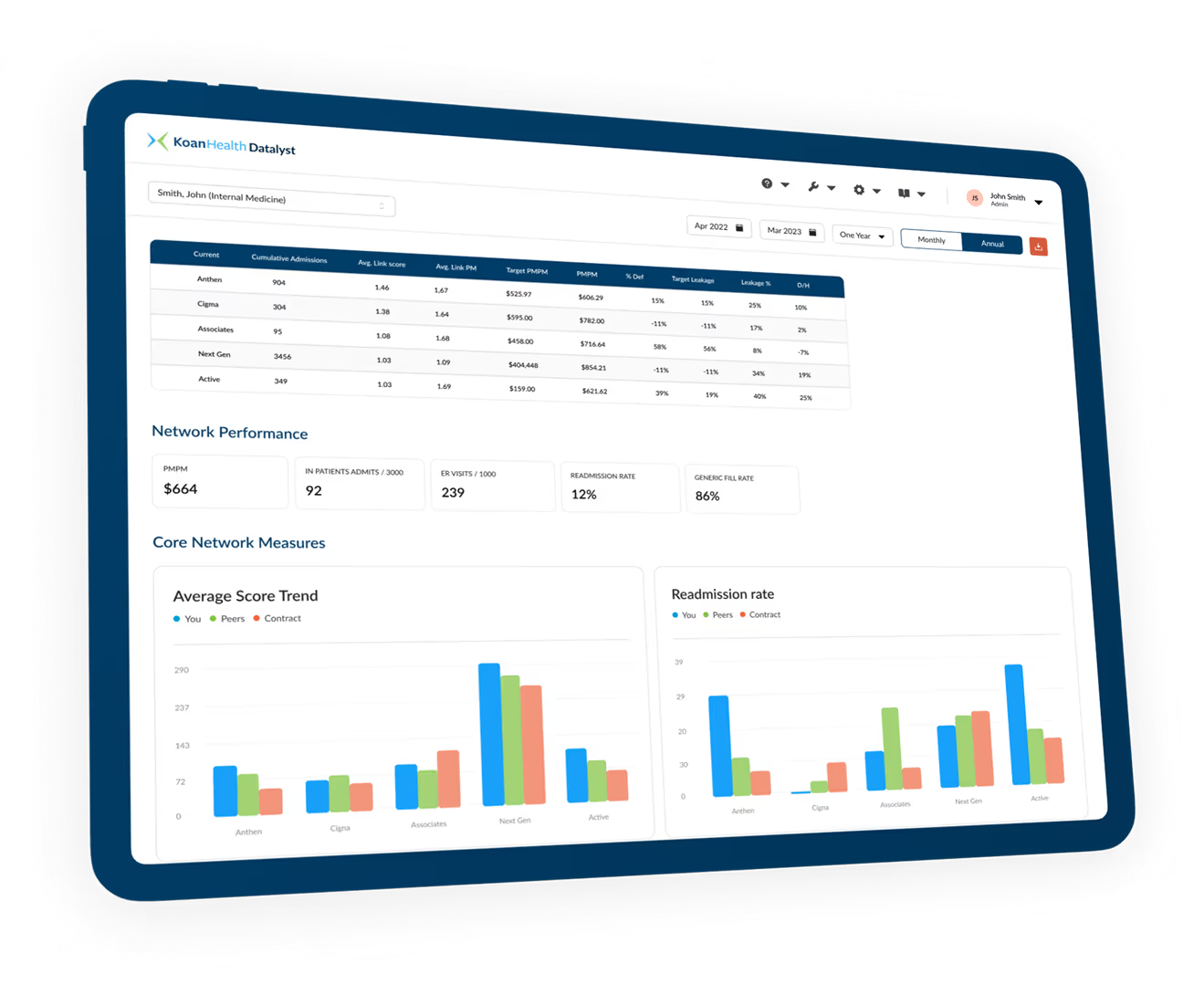
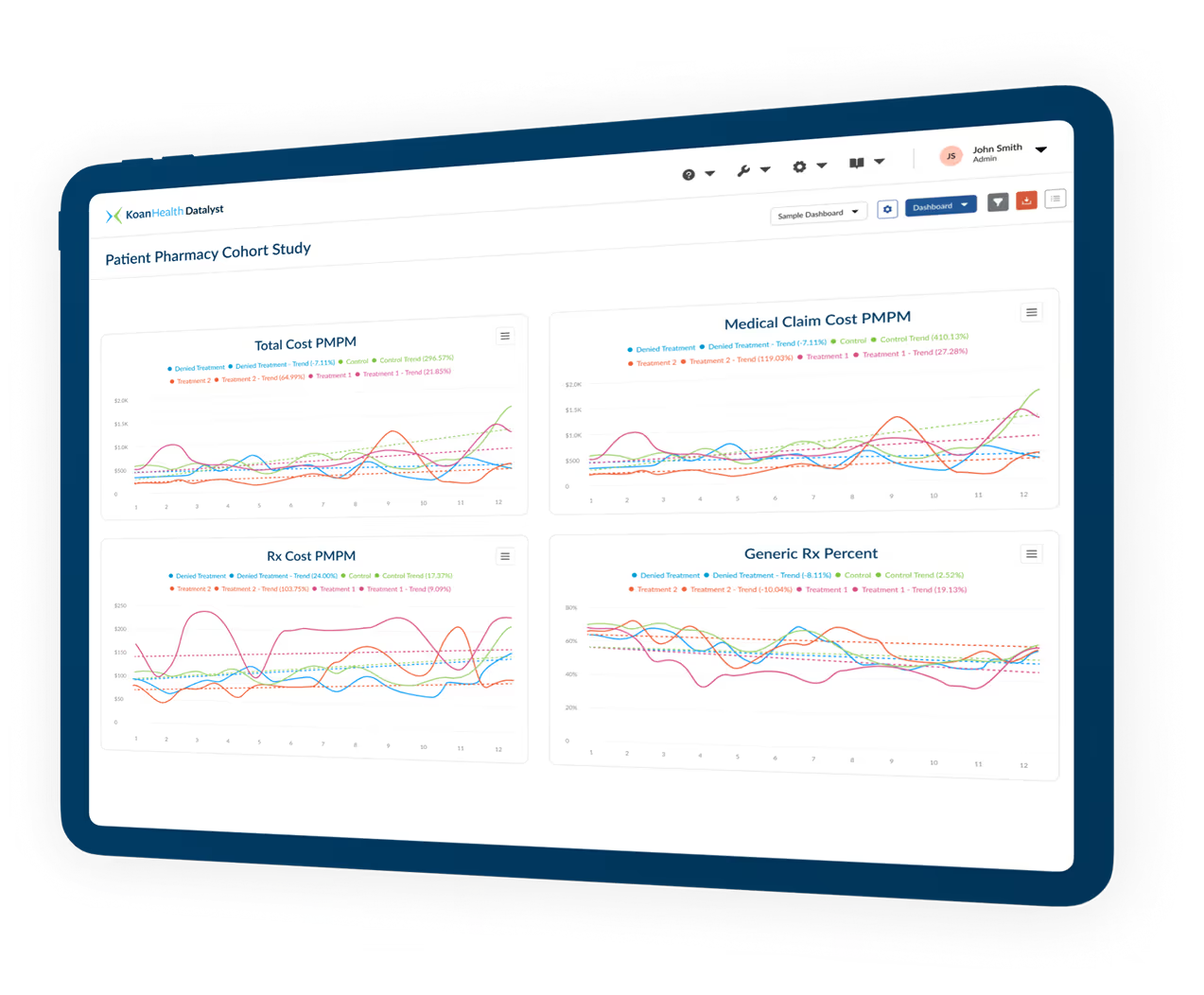
Koan Health unifies clinical, claims, and operational data into a clear, consistent source of truth, so teams can pinpoint performance drivers and take targeted action.
Never question where the data originated. Data integrity is manintained throughout our datasets.

Understand trends by facility, provider practice, clinicians, and patients.

Drill into cost and utilization patterns across your network.

Koan Health is an expert in helping ACOs achieve performance results.

Not all analytics platforms deliver the same level of visibility, transparency, or actionability. When evaluating solutions, focus on the capabilities that most directly affect data trust and decision-making.
Data accuracy and transparency
Can you trust the numbers and understand how they were calculated? Koan Health is designed to make methodology clear, so your team can evaluate performance with confidence.
Unified data integration
Does the platform bring together clinical, claims, and operational data into a single view? Fragmented data leads to inadequate decisions. Koan Health unifies your data sources into one trusted foundation.
Actionable insight
Does the platform help you move from analysis to action? Koan Health surfaces cost, utilization, and quality trends to guide targeted interventions.
Alignment to value-based care
Does it support the measures and goals that matter most to ACOs? Koan Health is built to help teams track performance against the metrics tied to shared savings and improvement.
.png)
Koan Health delivers meaningful, actionable data—along with the insight and experience we need to put it to work. The team is great—reliable, responsive and readily available.Travis Turner, SVP Clinical IntegrationMary Washington Healthcare
This ACO used analytics to reduce unnecessary utilization and save $6 million over four years.

Population health analytics typically integrates clinical, claims, and operational data. Combining these sources provides a comprehensive view of patient populations, enabling more accurate performance measurement and decision-making.
ACOs use population health analytics to monitor cost, utilization, and quality performance across their attributed populations. This insight supports risk stratification, care management, and performance improvement strategies that drive shared savings and better outcomes.
Population health analytics helps reduce costs by identifying unnecessary utilization, variation in care delivery, and high-cost patient segments. With this insight, organizations can target interventions that improve efficiency and lower the total cost of care.
Healthcare organizations should look for a platform that brings clinical, claims, and operational data together in one view. The best platforms also make the data visible and actionable, so leaders can move from insight to intervention with transparency.
Population health data should be refreshed often enough to support timely decisions and keep teams working from current information. When data is updated regularly, organizations can spot trends sooner, respond faster, and manage performance more proactively.
Yes. A robust population health analytics platform should enable analysis at the provider, cohort, and population levels so ACOs can identify variation, compare outcomes, and prioritize the most meaningful opportunities for improvement.
.svg)
Discover how Koan Health helps ACOs uncover cost, utilization, and quality drivers.


